
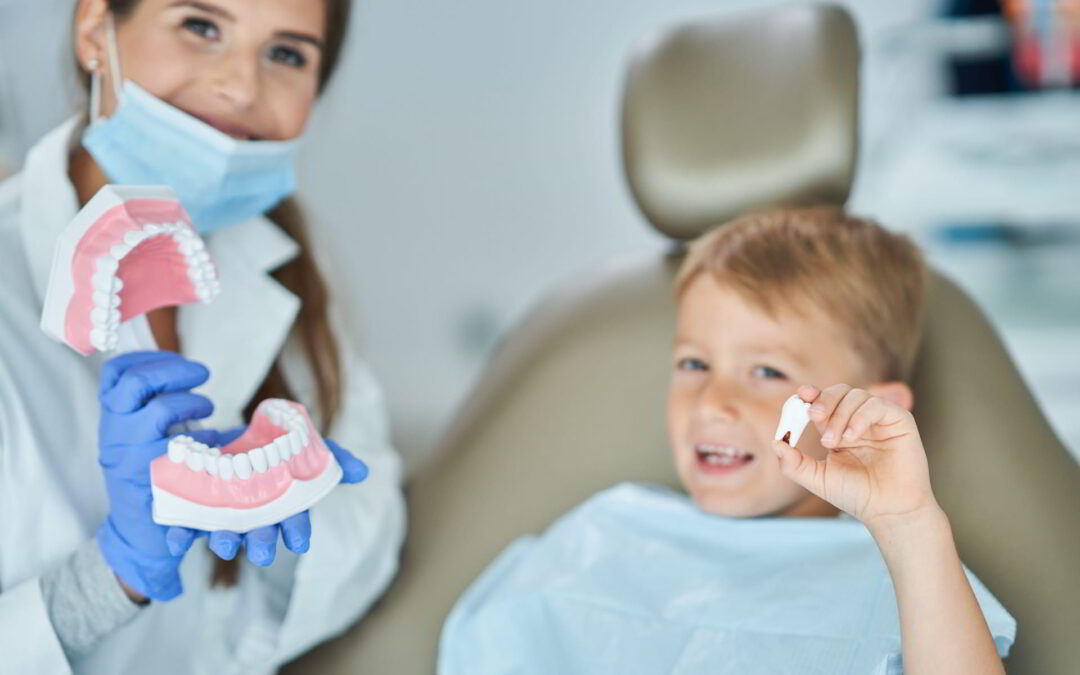
Have you ever pondered why the Tooth Fairy is so captivated by the baby teeth your child leaves under their pillow? It is not just about the shiny trinkets or coins, because baby teeth help children chew, speak, and hold space for permanent teeth. A dentist can monitor a child’s tooth development and help parents prevent small dental problems from becoming bigger concerns. The CDC reports that cavities are one of the most common chronic diseases of childhood in the United States, which shows why early dental care matters. So, let’s explore the captivating world of dental care and understand its lifelong significance for your child’s smile.
The Magical World of Your Child’s Dental Care
Remember the excitement your child feels when they discover a wobbly tooth? It’s like a secret they share with the Tooth Fairy. Those early teeth, whether they’re the first set or are making way for permanent ones, are the starting point of a lifelong dental journey for your child. They lay the foundation for what will become their unique dental signature.
The Crucial Role of Early Teeth
In the realm of dental care, your child’s early teeth serve as invaluable placeholders for their permanent teeth. They occupy specific spots, making way for adult teeth when the time is right. To ensure a smooth transition and a healthy future, it’s crucial to keep these early teeth strong and well-maintained.

Keeping Teeth Healthy Through Childhood and Beyond
Just as your child needs proper nutrition to grow, their teeth require consistent care to stay healthy. Regular brushing and flossing are the superheroes of dental care, fighting off the villains of cavities and plaque. Routine dental check-ups with a pediatric dentist are your roadmap, ensuring that your child’s dental health is progressing as it should.
The Tooth Fairy’s Lessons in Dental Care
Here’s a little-known fact: the Tooth Fairy’s mission goes beyond mere tooth collection. Those shiny coins or little trinkets are her way of saying, “Great job on your dental care journey! Keep it up.” So, the next time your child finds a surprise under their pillow, know that it’s not just a reward but a nod to their excellent dental hygiene efforts.
The Transition to Permanent Teeth
As your child grows, their early teeth will naturally make way for a permanent set. While it may feel strange for them (and maybe for you too) to part with a tooth that’s been a part of their smile for years, it’s a rite of passage. It signifies that they’re growing up, and so is their smile.

Cherishing Milestones in Your Child’s Dental Journey
Your child’s early teeth are more than just placeholders; they’re memory keepers. Some families create tooth charts or craft tooth fairy pillows, capturing the essence of different life stages. As you anticipate the Tooth Fairy’s next visit, remember that the real magic lies in the dental journey your child is on. Encourage your child to brush, floss, and maintain good dental hygiene. The magic of their smile starts with the care you help provide at every stage of their life.
Key Takeaways
- Baby teeth help children chew, speak clearly, and hold space for permanent teeth.
- Early dental care helps prevent cavities and supports healthier habits as children grow.
- Routine visits with a dentist allow parents to track tooth development and catch concerns early.
- The Tooth Fairy tradition can help make brushing, flossing, and tooth loss feel fun instead of stressful.
- Healthy childhood dental habits can support a stronger smile through the transition to permanent teeth.
FAQ
Why are baby teeth important?
Baby teeth help children chew food, speak clearly, and save space for permanent teeth. Keeping them healthy helps support the next stage of dental development.
When should a child start seeing a dentist?
Children should begin dental visits early so a dentist can monitor tooth growth, check for cavities, and guide parents on brushing, flossing, and nutrition habits.
How can parents make dental care fun for kids?
Parents can use songs, sticker charts, colorful toothbrushes, and Tooth Fairy traditions to make dental care feel more exciting. Small routines can help children build confidence.
What happens when baby teeth fall out?
Baby teeth fall out when permanent teeth are ready to come in. This is a normal part of growing up, though a dentist should check any tooth loss that happens too early or causes pain.
How can parents help prevent childhood cavities?
Parents can help by encouraging brushing twice daily, limiting sugary snacks and drinks, helping with flossing, and keeping regular dental checkups. Consistent care makes a big difference.