
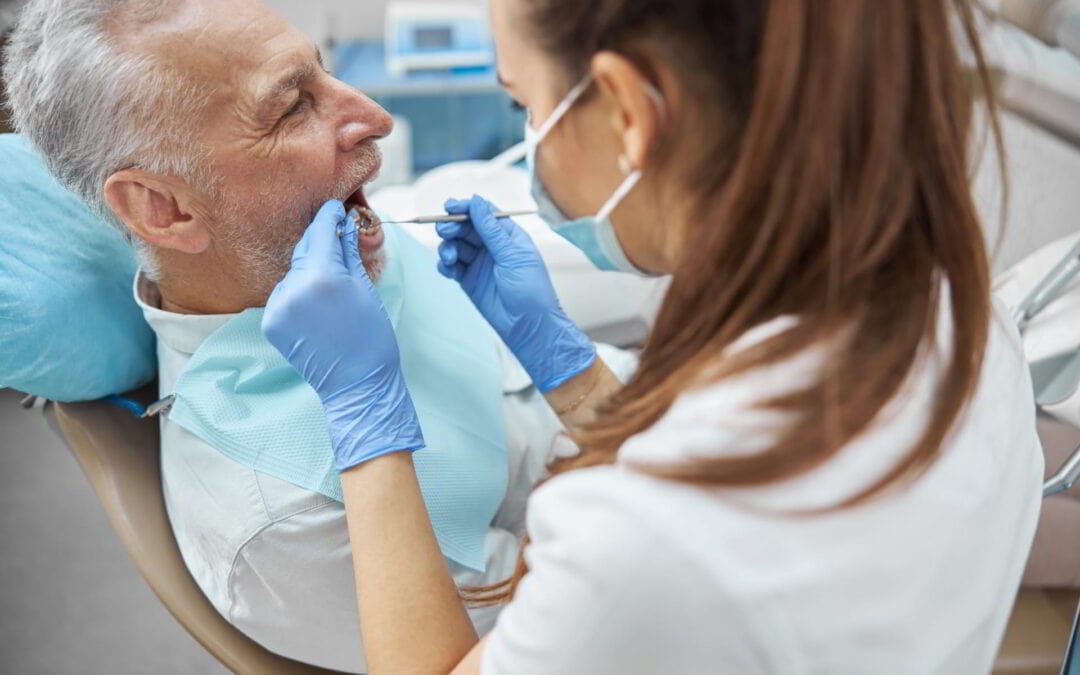
Teeth cleanings from your dental hygienist matter because they help protect the mouth before small problems turn painful, costly, and harder to treat. A routine visit gives a dentist a chance to remove buildup, check the gums, screen for tooth decay, and explain what a patient may be missing at home. Professional teeth cleanings can help patients understand why prevention is more than a quick polish. Regular care supports cleaner teeth, fresher breath, stronger gums, and long-term oral health.
- Professional cleanings remove buildup that brushing may miss.
- Routine care helps a dentist find problems early.
- Oral health can affect comfort, confidence, eating, and speech.
Why Regular Teeth Cleanings Matter
Regular teeth cleanings matter because a person may feel fine while plaque, tartar, or gum irritation is already building in quiet areas of the mouth. A patient may brush every morning, floss some nights, and still miss the back molars, gumline, and tight spaces between teeth, which is why a dentist can see patterns that are easy to overlook. The CDC explains that cavities are among the most common diseases people experience during life. A cleaning visit gives the dentist and hygienist time to catch early warning signs before they become bigger dental problems.
- A cleaning can reveal hidden plaque along the gumline.
- A dentist can explain where brushing habits need work.
- Early care may help reduce tooth pain later.
Prevent Plaque Buildup
Plaque is a sticky film that forms when bacteria mix with food particles and sugars, and it can collect quickly even in a mouth that feels clean. Daily brushing helps, but toothbrush bristles do not always reach crowded teeth, older dental work, or deep grooves near the gumline. The American Dental Association says interdental cleaning helps remove plaque between teeth and lowers the chance of gum disease and tooth decay. A dentist can also point out the exact spots where plaque keeps returning, which makes home care less of a guessing game.
- Plaque can form between teeth after meals and snacks.
- Professional cleanings target buildup in difficult spaces.
- A dentist can recommend floss, picks, or brushes based on the patient’s mouth.
Reduce Tartar Problems
Tartar forms when plaque hardens on the teeth, and once it sticks, a regular toothbrush cannot remove it safely. Hardened buildup can irritate the gums, trap more bacteria, and create rough surfaces where new plaque collects even faster. A dentist uses professional instruments to remove tartar without damaging enamel, which helps the mouth feel smoother and cleaner. This step matters because tartar can sit under the gumline, where patients may not see it but the gums still react to it.
- Tartar can make gums tender, swollen, or more likely to bleed.
- Professional tools remove hardened deposits more safely than scraping at home.
- A dentist can monitor whether tartar is forming faster than expected.
Support Gum Health
Gum health matters because gums help hold teeth in place, protect bone, and create a seal against bacteria. Bleeding during brushing may seem minor, yet it can be an early sign that the gums are irritated or inflamed. The National Institute of Dental and Craniofacial Research reports that 42.2% of adults age 30 or older in the United States have some form of periodontitis. A dentist can check pocket depth, bleeding points, recession, and buildup so gum problems are caught before tooth support is affected.
- Cleanings help reduce bacteria near the gumline.
- A dentist can watch for recession and gum pockets.
- Healthier gums can make brushing and eating more comfortable.
Catch Cavities Early
Cavities do not always hurt when they begin, which is why routine cleanings and exams can save a person from a rough surprise later. Tiny areas of decay may show up as soft spots, enamel changes, or shadows on dental X-rays before a patient feels sensitivity. The CDC FastStats page reports that 25.9% of adults ages 20 to 44 had untreated dental caries during 2015 to 2018. A dentist can recommend a small filling, fluoride support, or closer monitoring before decay spreads deeper into the tooth.
- Early cavity care is often simpler than emergency treatment.
- A dentist can check areas that are hard to see at home.
- Routine exams may prevent small decay from becoming tooth pain.
Improve Breath Freshness
Bad breath can come from food, dry mouth, gum irritation, plaque, or bacteria sitting on the tongue and between teeth. Mints may cover the smell for a little while, but they do not remove the source when buildup is part of the problem. A professional cleaning helps clear bacteria and debris from spots where odor can linger, especially near the gumline and behind the back teeth. A dentist can also look for causes such as gum disease, cavities, worn dental work, or dry mouth from medicines.
- Cleaner teeth can reduce odor-causing bacteria.
- A dentist can check whether bad breath has a dental cause.
- Better flossing habits can support fresher breath between visits.
Protect Tooth Enamel
Tooth enamel is strong, but it is not replaced naturally once it wears away. Acidic drinks, frequent snacking, hard brushing, grinding, and plaque acids can all wear on enamel over time, and the damage may start slowly. The NIDCR oral health report states that about 9 in 10 adults ages 20 to 64 have experienced tooth decay. A dentist can spot enamel wear, recommend fluoride when needed, and explain whether brushing pressure or diet habits are making teeth more sensitive.
- Cleanings remove buildup that can hold acid against enamel.
- A dentist can look for chips, wear, and thinning areas.
- Enamel care may reduce sensitivity to cold or sweet foods.
Lower Infection Risk
Dental infections can begin when decay reaches the inner tooth or when gum disease creates deeper spaces where bacteria collect. Swelling, throbbing pain, fever, drainage, or trouble chewing can signal a problem that needs prompt care. The CDC oral health facts state that oral disease can cause pain and infections that affect eating, speaking, learning, social interaction, and work. A dentist can use cleaning visits to watch for warning signs and guide patients toward treatment before infection spreads.
- Regular cleanings help control bacteria in the mouth.
- A dentist can spot gum abscess signs or deep decay.
- Early treatment may prevent severe pain and missed daily activities.
Save Money Long Term
Preventive care often costs less than fixing a dental emergency, especially when decay, gum disease, or broken teeth have gone unchecked for months. A cleaning visit may seem routine, yet it gives a dentist a chance to find issues while treatment options are usually smaller and easier to manage. The CDC reports that tooth loss remains a concern for older adults, including about 11% of adults ages 65 to 74 who had lost all their teeth in 2017 to March 2020. Preventing disease early can help protect natural teeth and reduce the need for more involved dental work.
- Cleanings can help reduce the chance of emergency visits.
- A dentist can treat small problems before they grow.
- Preventive appointments may protect long-term dental budgets.
Maintain Brighter Teeth
Teeth can pick up surface stains from coffee, tea, tobacco, berries, sauces, and everyday meals. A professional cleaning can remove many external stains while also polishing the tooth surface, which may leave the smile looking clearer without whitening products. A dentist can tell the difference between surface staining, enamel wear, and deeper discoloration that may need another treatment plan. This matters because safe cosmetic advice starts with healthy teeth and gums.
- Cleanings can reduce common surface stains.
- A dentist can explain whether whitening is safe for the patient.
- Polished teeth may feel smoother after buildup is removed.
Build Better Habits
Good oral care habits are easier to keep when patients know what is working and what needs attention. A dentist or hygienist may notice that one side has more tartar, one area bleeds more, or one brushing method is wearing the gums. The CDC surveillance report found that nearly 17% of children ages 6 to 9 had untreated decay in one or more primary or permanent teeth, which shows why habits matter early. Cleanings give families and adults practical feedback that can make daily brushing, flossing, and food choices easier to manage.
- A dentist can tailor advice to each person’s risk level.
- Children can learn better habits before decay becomes common.
- Adults can adjust routines when dental patterns change.
Routine Dentist Visits Protect Smiles
Routine dentist visits protect smiles because cleanings connect prevention, early detection, education, and comfort in one appointment. Plaque removal, tartar control, gum checks, cavity screening, breath support, enamel monitoring, and habit coaching all work together, and when one part is skipped, the rest of the mouth can suffer over time. The NIDCR describes oral health as connected to the body through links between oral diseases and conditions such as diabetes, cardiovascular disease, and preterm birth. A dentist can recommend a cleaning schedule based on age, dental history, gum health, dry mouth, medications, cavities, and personal risk.
- Cleanings help prevent problems before symptoms appear.
- A dentist can personalize the timing of future visits.
- Oral health supports comfort, confidence, and general well-being.
Key Takeaways About Dentist Cleanings
Teeth cleanings matter because they do more than make teeth feel smooth for the day. A dentist can remove tartar, check for cavities, monitor gum health, explain enamel changes, and help patients correct daily habits before damage becomes harder to manage. Routine care also supports fresher breath, lower infection risk, and better long-term planning for dental costs. Cleanings are one of the simplest ways to protect oral health while giving patients clear answers about what is happening inside their mouths.
- A dentist can remove tartar that brushing cannot remove.
- Cleanings help catch cavities and gum problems early.
- Preventive visits can reduce the need for more complex dental work.
Frequently Asked Questions
How Often Should Teeth Be Cleaned?
Many patients do well with cleanings every six months, but some need visits more often because of gum disease, dry mouth, braces, frequent cavities, or medical conditions. A dentist can recommend the right timing after checking the teeth, gums, X-rays, and dental history.
Can Cleanings Stop Cavities?
Cleanings can lower cavity risk by removing plaque and tartar, but daily brushing, flossing, fluoride, and smart food choices still matter. A dentist may also recommend sealants, fluoride treatment, or earlier follow-up visits for patients with higher risk.
Do Teeth Cleanings Hurt?
Most cleanings are not painful, though tender gums, heavy tartar, exposed roots, or sensitivity can make some areas feel uncomfortable. A dentist or hygienist can adjust the approach and explain options if a patient feels anxious or sore.
Why Do Gums Bleed?
Gums may bleed because of plaque buildup, inflammation, brushing changes, certain medicines, or gum disease. A dentist can check whether bleeding is mild irritation or a sign that deeper gum care is needed.
Are Dental Cleanings Worth It?
Dental cleanings are worth it for many patients because they support prevention, early treatment, cleaner teeth, and better long-term oral health. A dentist can use each visit to catch issues before they become painful, expensive, or harder to treat.