
Sleep apnea can disrupt breathing, rest, energy, and long term health, so it deserves more attention than ordinary snoring. A helpful sleep apnea treatment plan starts with understanding what happens in the airway during sleep. A dentist may help with certain sleep apnea treatment plans when an oral appliance and specific therapy is recommended. This discussion covers obstructive sleep apnea, snoring, diagnosis, CPAP, oral appliance therapy, health risks, and follow up care. Better care starts with clear information.
- Sleep apnea can cause repeated pauses in breathing during sleep.
- Snoring may be harmless, but it can also signal airway blockage.
- Sleep apnea treatment should be based on a proper diagnosis.
A Practical Look at Sleep Apnea Treatment
Sleep apnea treatment often begins when someone complains about loud snoring, restless sleep, morning headaches, or heavy daytime fatigue. A common example is an adult who thinks poor sleep comes from stress, then a partner notices gasping at night and the pattern finally makes sense. The National Heart, Lung, and Blood Institute explains that sleep apnea can prevent people from getting enough quality sleep. That matters every day.
- Nighttime gasping can be a warning sign.
- Morning tiredness may point to poor oxygen flow during sleep.
- Sleep apnea treatment can improve rest when the cause is found.
What Obstructive Sleep Apnea Means
Obstructive sleep apnea happens when the upper airway becomes blocked during sleep, often because throat tissues relax and narrow the breathing space. Airflow drops, oxygen may fall, and the brain briefly wakes the person enough to reopen the airway, which can happen again and again before morning. The NHLBI lists obstructive sleep apnea as the most common type of sleep apnea. A steady sleep apnea treatment plan focuses on keeping that airway open.
- The airway can close repeatedly during sleep.
- Breathing pauses may cause gasping, choking, or snorting sounds.
- Repeated waking can leave someone exhausted even after a full night in bed.
Why Snoring Should Not Be Ignored
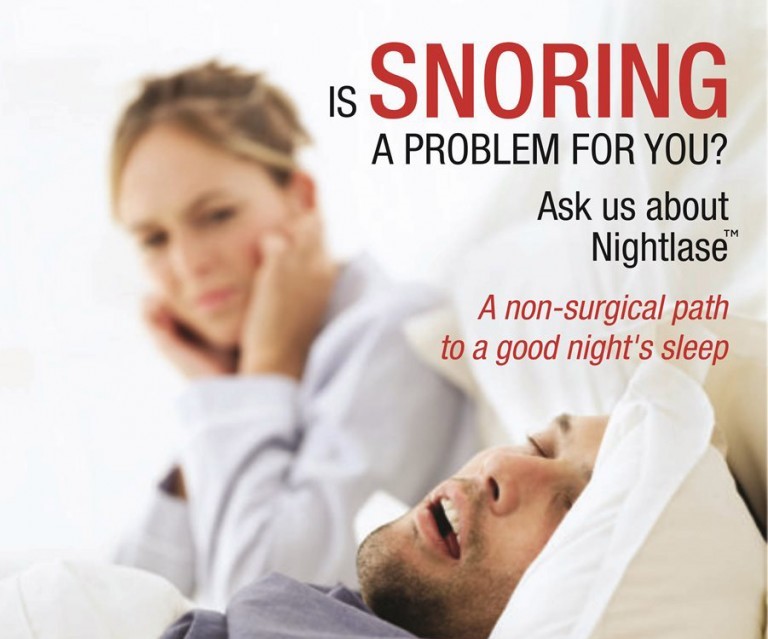
Snoring happens when relaxed tissues in the upper airway vibrate as air moves past them. Some snoring is mild, yet loud snoring paired with pauses in breathing, choking, or daytime sleepiness can point toward obstructive sleep apnea. MedlinePlus notes that snoring can be a sign of a serious sleep disorder called sleep apnea. Sleep apnea treatment is most useful when snoring is viewed as a clue, not just a nightly annoyance.
- Snoring may grow worse when someone sleeps on their back.
- Alcohol near bedtime can relax throat tissues and worsen airway narrowing.
- Snoring with gasping deserves medical attention.
Health Risks Linked to Poor Sleep Breathing
Untreated sleep apnea affects more than bedtime comfort because oxygen drops and repeated sleep breaks can strain the body. People may notice brain fog, irritability, trouble focusing, or a stronger need for naps, and these symptoms can spill into work, driving, and family life in a frustrating cycle that feels hard to explain. The NHLBI reports that reduced blood oxygen levels help explain increased cardiovascular risk in people with obstructive sleep apnea. Sleep apnea treatment can reduce risk when it is followed as directed.
- Poor sleep can affect mood and memory.
- Low oxygen may place stress on the heart and blood vessels.
- Daytime drowsiness can raise safety concerns while driving.

Diagnosis Comes Before Treatment Choices
Sleep apnea treatment should not be guessed from snoring alone. A physician may review symptoms, health history, and sleep patterns, then recommend a sleep study that measures breathing, oxygen levels, heart rate, and other body signals during rest. MedlinePlus explains that sleep studies can record breathing rate, blood pressure, heart rate, and brain wave activity. Good testing helps match the care plan to the person.
- A sleep study can confirm whether apnea is present.
- Severity affects which treatment options make sense.
- Clear results help prevent under-treatment or the wrong device choice.
CPAP and Breathing Device Support
CPAP is one of the most common forms of sleep apnea treatment, especially for moderate to severe obstructive sleep apnea. The machine sends mild air pressure through a mask to keep the airway open while the person sleeps, which sounds simple but can take patience because fit, humidity, pressure settings, and comfort all matter. The NHLBI explains that CPAP uses mild air pressure to keep breathing airways open during sleep. Proper setup can make the difference between giving up and sleeping better.
- Mask fit can affect comfort and success.
- Pressure settings may need adjustment by a provider.
- Regular use is key for stronger results.
Oral Appliance Therapy for Sleep Apnea
Oral appliance therapy is another sleep apnea treatment option for certain patients, often those with mild to moderate obstructive sleep apnea or those who cannot tolerate CPAP. These mouthpieces are custom fitted and usually move the lower jaw or tongue into a position that helps keep the airway from collapsing. The NHLBI states that oral devices may be prescribed for sleep apnea when a patient cannot tolerate or does not want to use CPAP. A dentist with training in dental sleep care can monitor fit, bite changes, jaw comfort, and device wear.
- Oral appliances are worn during sleep.
- Custom fitting improves comfort and stability.
- A dentist can check the teeth, jaw, and appliance over time.
Why Dental Monitoring Matters
A sleep apnea treatment device that rests inside the mouth must be watched closely because teeth, gums, jaw joints, and bite alignment can change. A dentist may check soreness, tooth movement, appliance damage, and whether the jaw position still supports healthy airflow. The NHLBI explains that patients using oral devices may be referred to a dentist or orthodontist for custom fitting and instructions. Follow up keeps the device useful and more comfortable.
- Dental checks can spot irritation before it worsens.
- Appliance adjustments may improve comfort.
- Ongoing care helps protect the bite and jaw.
Lifestyle Changes That Support Better Breathing
Some people need a device, while others also benefit from everyday changes that reduce airway collapse. Sleep position, alcohol use, weight changes, nasal congestion, smoking, and sedating medicines can all affect nighttime breathing, so a care plan may look different from one person to another. MedlinePlus lists avoiding alcohol before bedtime, avoiding back sleeping, and losing excess weight as lifestyle changes that may help symptoms in mild sleep apnea. Sleep apnea treatment works best when habits and medical care support each other.
- Side sleeping may reduce airway blockage for some patients.
- Alcohol close to bedtime can worsen symptoms.
- Weight management may help when excess weight contributes to obstruction.
Cognitive Health and Nighttime Breathing
Healthy sleep helps the brain reset, store memories, and handle the next day with clearer thinking. Sleep apnea can break sleep into fragments, and a person may never fully notice the waking events even though the brain and body keep reacting to them all night. The National Institute of Neurological Disorders and Stroke describes sleep as a dynamic process that affects how people function. Sleep apnea treatment can support sharper daytime performance when poor sleep breathing is part of the problem.
- Fragmented sleep can affect focus.
- Oxygen dips may leave the brain feeling drained.
- Better breathing can support steadier energy.
Choosing the Right Path Forward
Sleep apnea treatment is not one-size care because the right choice depends on severity, anatomy, comfort, health history, and what the patient can use night after night. CPAP may be the strongest fit for some, while an oral appliance may be better for others, and surgery may enter the discussion when other options fail or an airway problem needs correction. The NHLBI lists breathing devices, oral devices, lifestyle changes, and surgery among sleep apnea treatment options. The best plan is the one that improves breathing and can be followed consistently.
- Diagnosis should guide the choice.
- Comfort affects long term use.
- Follow up helps confirm that treatment is working.
What Sleep Apnea Treatment Can Change Over Time
Sleep apnea treatment can improve more than snoring because better nighttime breathing may support energy, mood, concentration, and safer daily routines. A person who once woke up tired may slowly notice fewer morning headaches, less grogginess, and better stamina when the device fits well and is used as prescribed. The CDC states that good sleep is needed for health and emotional well-being. Consistent care gives the body a better chance to recover each night.
- Better sleep may reduce daytime fatigue.
- Improved breathing can support steadier mood.
- Nightly use often matters more than occasional use.

Sleep Apnea Treatment Key Takeaways
Sleep apnea treatment starts with recognizing that snoring, gasping, and daytime exhaustion may point to a breathing disorder rather than simple poor sleep. Diagnosis helps separate mild snoring from obstructive sleep apnea, and that distinction matters because untreated apnea can strain the heart, brain, mood, and daily safety. CPAP, oral appliances, lifestyle changes, and sometimes surgery all have roles, but each option should fit the person’s diagnosis and health needs. Dental oversight becomes especially useful when an oral appliance is part of the plan because comfort, jaw position, and bite health need attention over time.
- Sleep apnea treatment should begin with a medical diagnosis.
- Oral appliance therapy can help certain patients keep the airway open.
- CPAP remains a common treatment for many adults with obstructive sleep apnea.
- Snoring with gasping, choking, or daytime sleepiness should be taken seriously.
- Regular follow up helps keep treatment safe, comfortable, and effective.
FAQ
Why can snoring signal sleep apnea?
Snoring can happen when relaxed throat tissues vibrate during breathing. Snoring paired with choking, gasping, or daytime fatigue may point to obstructive sleep apnea.
When should someone ask about sleep apnea treatment?
Someone should ask about sleep apnea treatment when sleep feels unrefreshing, a partner notices breathing pauses, or daytime tiredness becomes frequent.
Can a dentist help with sleep apnea treatment?
A dentist can help when oral appliance therapy is part of sleep apnea treatment by checking fit, comfort, jaw position, and bite changes over time.
Is an oral appliance the same as CPAP?
An oral appliance and CPAP are different. CPAP uses air pressure through a mask, while an oral appliance helps position the jaw or tongue to keep the airway open.
Can sleep apnea treatment improve daily energy?
Sleep apnea treatment may improve daily energy when poor breathing causes repeated sleep disruption. Better airflow can help the body rest with fewer interruptions.